Water wars
A water war is a conflict over the control and use of water. It can occur between countries or regions sharing rivers. Water shortages and unfair distribution can cause disputes.
Published 1 month ago
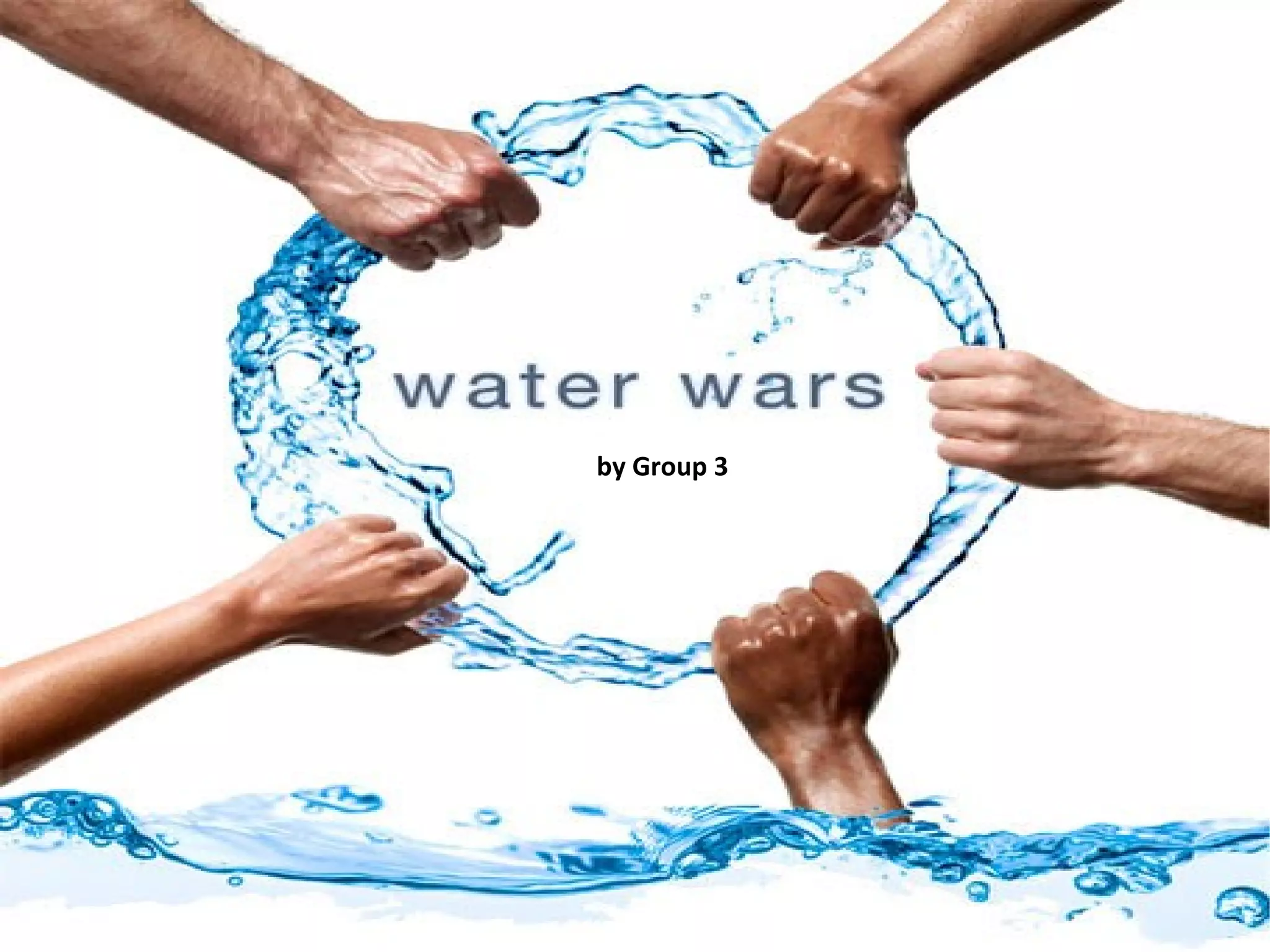
Water Wars
Water is one of the most important resources on Earth, yet it is becoming increasingly scarce in many parts of the world. As populations grow, cities expand, agriculture demands more water, and climate change affects rainfall patterns, competition for water is increasing. This has led to concerns about future “water wars.”
Water wars refer to conflicts or serious disputes over access to freshwater. These conflicts can occur between countries, regions, communities, or even individuals. Rivers are especially important because they often cross national borders. When an upstream country builds dams or uses large amounts of river water, downstream countries may fear that their own water supply will be reduced.
One well-known example is the dispute over the Nile River, where countries such as Egypt, Sudan, and Ethiopia have different interests concerning water use and major dams. Similar disagreements exist in other regions involving rivers such as the Indus, Tigris-Euphrates, and Mekong.
However, water scarcity does not always lead to war. Countries can also cooperate by signing agreements, sharing information, managing rivers jointly, and developing efficient irrigation systems. Technology can also help. Rainwater harvesting, wastewater treatment, desalination, and water-saving agricultural methods can reduce pressure on freshwater supplies.
Individuals have an important role as well. Simple actions such as repairing leaking taps, avoiding unnecessary water use, collecting rainwater, and using efficient irrigation can make a difference. Governments and communities must also protect wetlands, forests, rivers, and groundwater from pollution and overuse.
The idea of water wars reminds us that freshwater is not unlimited. Future conflicts may be influenced by how fairly and efficiently societies manage this essential resource. Instead of waiting for disputes to become crises, countries should invest in cooperation, conservation, and sustainable water management.
Water connects people across borders. Protecting it is therefore not only an environmental responsibility but also a key part of maintaining peace and supporting future generations.
🌊 Do you think water wars can be prevented??
More from Writing
Deepfakes: A Double-Edged Sword in International Relations and Global Security:
Deepfakes have evolved from a digital nuisance into a real national security threat capable of fueling political and military crises. But could this same technology also help fight the misinformation it creates?
Read postFrom Cradle to Screens: Raising Tomorrow's Generation
Technology shapes childhood, but balance builds the future.
Read postThe New Oil: How Lithium and Rare Earths are Rewriting Global Power
For a century oil ruled the world, but now power has shifted to who controls lithium and rere Earth's processing.
Read post
Responses
Log in to comment and join the discussion.
Log in