Water Pollution:
Water pollution threatens life and the environment. Discover its causes, effects, and simple ways to protect our water resources for a healthier future.
Published 1 hour ago
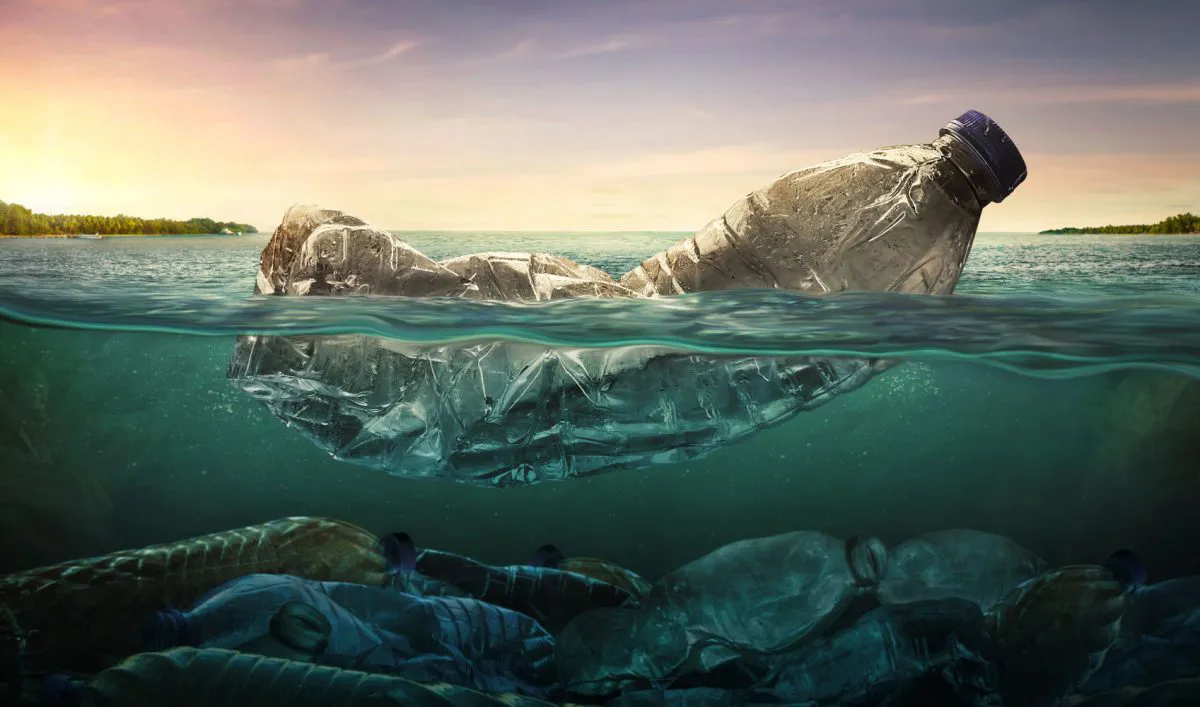
"How We Are Destroying Our Own Lifeline"
Introduction
Water is one of the most important natural resources on Earth. Every living organism, from the smallest microorganism to the largest animal, depends on water for survival. It supports human health, agriculture, industries, and the balance of our ecosystems. Although our planet contains a large amount of water, only a small proportion is readily available as fresh water for human use. Unfortunately, this precious resource is increasingly threatened by pollution.
Water pollution has become a serious environmental problem across the world. Rivers, lakes, oceans, and underground water sources are being contaminated by human activities. Waste from factories, untreated sewage, plastic materials, agricultural chemicals, and oil spills are damaging water quality and threatening life. What makes this problem especially concerning is that many of the activities responsible for water pollution are part of our everyday lives. We depend on water for survival, yet our actions are making it unsafe for ourselves and other living things.
What Is Water Pollution?
Water pollution occurs when harmful substances enter water bodies and change their natural quality, making the water unsafe for drinking, household use, agriculture, or aquatic life. These substances may include chemicals, harmful microorganisms, sewage, plastics, and other forms of waste.
Pollution is not always visible. Water may appear clear but still contain harmful bacteria, pesticides, or toxic chemicals. Therefore, the appearance of water alone cannot determine whether it is safe to drink or use.
Water pollution can affect both surface water, such as rivers and lakes, and groundwater stored beneath the Earth's surface. Once contaminants enter these sources, removing them can be difficult and expensive.
Major Causes of Water Pollution
1. Industrial Waste
Industries often use chemicals and other substances during manufacturing. When untreated industrial wastewater is released into rivers, lakes, or drainage systems, it can introduce toxic metals and chemicals into the environment. These pollutants may harm aquatic organisms and contaminate water supplies. Industrial waste must be properly treated before it is discharged.
2. Domestic Sewage and Household Waste
Untreated sewage is one of the major sources of water contamination. Wastewater from homes may contain human waste, detergents, cleaning products, and disease-causing microorganisms. When sewage enters rivers or other water sources without adequate treatment, it increases health risks and damages aquatic ecosystems.
Improper disposal of household garbage also contributes to the problem. People sometimes throw food waste, plastic bags, bottles, and other rubbish into drains and waterways. Over time, this waste accumulates and degrades the surrounding environment.
3. Plastic Pollution
Plastic pollution has become a major threat to rivers, seas, and oceans. Plastic bags, bottles, packaging, and other discarded items can remain in the environment for many years. Aquatic animals may mistake plastic for food or become trapped in it.
Larger plastic items can also break down into tiny particles known as microplastics. These particles have been found in various aquatic environments, and scientists are continuing to investigate their potential effects on ecosystems and human health.
4. Agricultural Chemicals
Agriculture is essential for food production, but the excessive or improper use of fertilizers and pesticides can contribute to water pollution. Rainwater can carry these substances from agricultural fields into nearby rivers, lakes, and groundwater.
Excess nutrients, particularly nitrogen and phosphorus, can encourage the excessive growth of algae in water bodies. This process, known as eutrophication, can reduce oxygen levels in the water and harm fish and other aquatic organisms.
5. Oil Spills and Marine Activities
Oil spills from ships, pipelines, and offshore operations can severely damage marine environments. Oil can coat the bodies of birds and other animals, interfere with their ability to survive, and contaminate coastal habitats. Fuel leaks and waste from marine activities can also contribute to water pollution.
Effects of Water Pollution on Human Health
One of the most serious consequences of water pollution is its impact on human health. People who consume water contaminated with harmful microorganisms may develop illnesses such as cholera, diarrhoeal diseases, and typhoid fever. The risks are particularly high in communities where safe drinking water and proper sanitation are limited.
Chemical contamination can create additional health concerns. Depending on the substance and level of exposure, certain chemicals and heavy metals may damage organs, affect development, or contribute to long-term health problems.
Water pollution also affects hygiene and sanitation. When communities do not have reliable access to clean water, everyday activities such as washing, cooking, and maintaining personal hygiene become more difficult.
Children, older adults, and people with weakened immune systems can be especially vulnerable to some waterborne illnesses. Preventing contamination is therefore not only an environmental responsibility but also an important public health priority.
Effects on Aquatic Life and the Environment
Water pollution does not affect humans alone. Rivers, lakes, wetlands, and oceans support countless species that depend on clean water for survival.
When pollutants enter aquatic environments, fish and other organisms may become sick or die. Toxic substances can accumulate in living organisms and move through food chains, affecting animals at different levels of the ecosystem.
Excessive nutrients can cause algal blooms that block sunlight and reduce oxygen levels when the algae decompose. In severe cases, this can create conditions in which fish and other aquatic organisms cannot survive.
Plastic waste presents another danger. Marine animals may swallow plastic or become entangled in discarded fishing nets and packaging. Pollution can also damage habitats such as wetlands, which provide food, shelter, and breeding grounds for many species.
Healthy aquatic ecosystems are important for biodiversity, fisheries, food security, and the overall balance of nature. When water bodies become polluted, the damage can extend far beyond the original source of contamination.
Water Pollution in Pakistan
Water pollution is an important environmental and public health concern in Pakistan. Population growth, urban expansion, inadequate wastewater treatment, poor waste disposal practices, and industrial discharge can place pressure on rivers, canals, lakes, and groundwater resources.
In some areas, untreated sewage and industrial wastewater enter waterways that communities depend on directly or indirectly. Agricultural runoff can also contribute to contamination. Where water quality monitoring and sanitation infrastructure are insufficient, people may face greater difficulty obtaining safe drinking water.
Major urban areas, including Karachi, face particular challenges related to sewage management, solid waste disposal, and the protection of water sources. Plastic waste and poorly managed drainage can further contribute to pollution in waterways and coastal environments.
The consequences are not limited to the environment. Contaminated water can increase the risk of disease, place financial pressure on households, affect agricultural productivity, and damage livelihoods that depend on fishing and other water-related activities.
Addressing water pollution in Pakistan requires coordinated action from government authorities, industries, communities, and individuals. Effective wastewater treatment, reliable water-quality testing, improved sanitation, and stronger enforcement of environmental standards are essential steps towards protecting the country's water resources.
How Can We Prevent Water Pollution?
Although water pollution is a serious problem, it can be reduced through practical and consistent action.
1. Treat Wastewater Before Discharge
Municipal sewage and industrial wastewater should be treated appropriately before being released into rivers, lakes, or seas. Governments and industries should invest in effective treatment facilities and ensure that these systems are properly maintained.
2. Reduce Plastic Waste
People can reduce plastic pollution by avoiding unnecessary single-use plastics, carrying reusable bags and bottles, and disposing of waste responsibly. Recycling can help, but reducing waste and preventing litter from reaching waterways are equally important.
3. Use Agricultural Chemicals Responsibly
Farmers can reduce water contamination by using fertilizers and pesticides according to recommended guidelines. Better irrigation practices, buffer zones near waterways, and environmentally responsible pest management can help limit harmful runoff.
4. Strengthen Environmental Laws
Environmental regulations must be enforced consistently. Industries that release untreated or illegally contaminated wastewater should be held accountable. Regular inspections, transparent water-quality monitoring, and appropriate penalties can encourage responsible practices.
5. Improve Public Awareness
Education can help people understand how everyday actions affect water quality. Schools, universities, community organizations, and media platforms can encourage responsible waste disposal, water conservation, and participation in local clean-up activities.
6. Protect Water Sources
Rivers, lakes, wetlands, and groundwater sources should be protected from dumping and unnecessary contamination. Communities should report pollution incidents to the relevant authorities and support local efforts to maintain clean surroundings.
7. Make Safe Water a Shared Priority
Access to safe water requires long-term planning, investment, and cooperation. Governments must improve water and sanitation infrastructure, while industries and communities must take responsibility for preventing contamination. Individuals can contribute, but the problem cannot be solved by personal action alone.
Conclusion
Water pollution is more than an environmental issue; it is a threat to human health, biodiversity, food security, and future generations. The water we contaminate today may become the water that communities struggle to access tomorrow. Rivers and oceans cannot protect themselves from the waste that human activities continue to introduce into them.
The solution begins with recognizing that clean water is not an unlimited resource and that preventing pollution is easier than removing contamination after it occurs. Governments must strengthen environmental protection, industries must treat their waste responsibly, and communities must adopt better waste disposal practices.
Every individual has a role to play, but lasting progress depends on collective responsibility and effective public policies. Protecting water means protecting life itself. If we continue to treat our water resources as places to dispose of waste, we risk damaging one of the foundations of our existence. The question is no longer whether water pollution matters, but whether we are willing to take meaningful action before the damage becomes even more difficult to reverse.
Clean water is not a luxury; it is a necessity. Protecting it today is an investment in the health and survival of tomorrow's generations.
More from Writing
Deepfakes: A Double-Edged Sword in International Relations and Global Security:
Deepfakes have evolved from a digital nuisance into a real national security threat capable of fueling political and military crises. But could this same technology also help fight the misinformation it creates?
Read postFrom Cradle to Screens: Raising Tomorrow's Generation
Technology shapes childhood, but balance builds the future.
Read postThe New Oil: How Lithium and Rare Earths are Rewriting Global Power
For a century oil ruled the world, but now power has shifted to who controls lithium and rere Earth's processing.
Read post
Responses
Log in to comment and join the discussion.
Log in