US Foreign Policy in Central Asia: Competing for Influence in a Resource-Rich Region
Central Asia is becoming a key region in global politics as the United States, Russia, and China compete for influence, energy resources, and critical minerals. Can the United States strengthen its presence while helping Central Asian count
Published 1 week ago
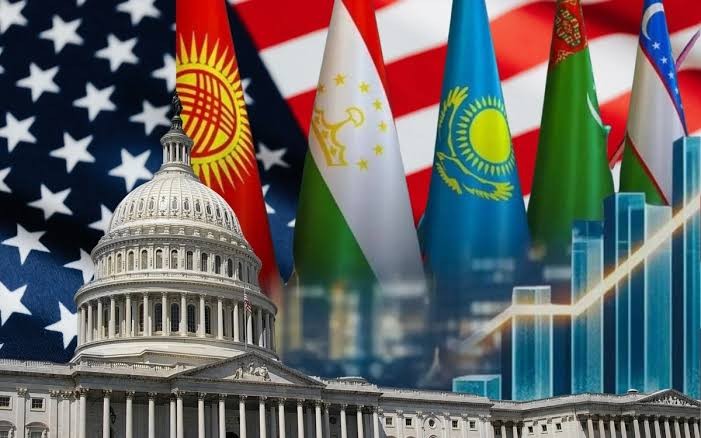
Central Asia is becoming more important in international politics because of its strategic location, natural resources and economic opportunities.The region includes Kazakhstan, Uzbekistan, Kyrgyzstan, Tajikistan, and Turkmenistan. The United States strengthened its ties with these countries while competing with Russia and China for influence.
Russia already has its traditional ties with Central Asia through political, economy and securities.While China has expanded its influence through the infrastructure trade and investment projects. Now the United States is expending its influence in Central Asia by promoting energy trade and access to valuable minerals.
In 2015 the C5+1 partnership was established between the United States and 5 Central Asian States. The United States launched C5+1 in February 2024 critical mineral dialogue to promote cooperation in mineral exploration, supply chain and investment.
In November 2025, Donald Trump the president of the United States hosted the leaders of Central Asian countries at White House to continue strong economical and strategic cooperation specially in the sector of critical minerals. This includes rare Earth elements including uranium which is important for modern technology and energy production.
All the United States faced competition because Russia and China already have deep relations in Central Asia.
To conclude,United States policy continues to expand its political and economical influence in Central Asia while offering Central Asian countries international partnership. Central Asia's future success depends on how well the countries of this region balance competing major powers while protecting its national interest.
More from Writing
Deepfakes: A Double-Edged Sword in International Relations and Global Security:
Deepfakes have evolved from a digital nuisance into a real national security threat capable of fueling political and military crises. But could this same technology also help fight the misinformation it creates?
Read postFrom Cradle to Screens: Raising Tomorrow's Generation
Technology shapes childhood, but balance builds the future.
Read postThe New Oil: How Lithium and Rare Earths are Rewriting Global Power
For a century oil ruled the world, but now power has shifted to who controls lithium and rere Earth's processing.
Read post
Responses
Log in to comment and join the discussion.
Log in