The Role of Soft Power in International Relations
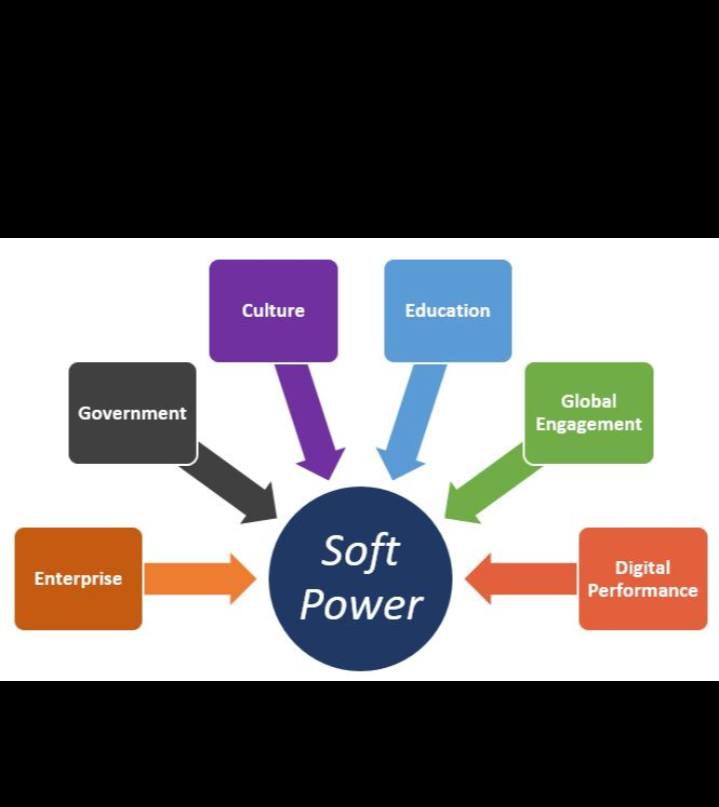
Soft power allows countries to influence others through culture, education, diplomacy, media, and values. It helps build trust, improve international relations, and encourage cooperation without using force.
Published 2 months ago
Introduction
International Relations (IR) is the study of relationships between countries. In the modern world, countries use different methods to achieve their national interests. One important method is soft power. Soft power means influencing others through attraction and persuasion rather than force or threats. The concept was introduced by political scientist Joseph Nye.
What is Soft Power?
Soft power allows a country to influence other countries through its culture, values, education, diplomacy, media, and international image. For example, movies, music, food, sports, and education can make people interested in a country's culture. This attraction can help create positive relationships between countries.
Soft Power vs. Hard Power
Soft power is different from hard power. Hard power involves military force, economic pressure, or sanctions to influence another country. Soft power, on the other hand, focuses on attraction and cooperation. In modern International Relations, countries may use both hard and soft power to achieve their objectives.
Role of Culture and Media
Culture and media are important sources of soft power. Hollywood has helped spread American culture around the world. Similarly, Korean dramas and K-pop have increased South Korea's cultural influence internationally. Social media has also made it easier for countries to communicate directly with people around the world.
Importance of Soft Power
Soft power helps countries improve their international image, develop diplomatic relationships, attract tourists and students, and encourage international cooperation. Education and scholarships can also create long-term relationships between people from different countries.
Conclusion
Soft power is an important part of modern International Relations. It shows that influence does not always depend on military or economic strength. Culture, education, diplomacy, media, and national values can also help a country gain international influence. Therefore, soft power plays an important role in building cooperation and positive relationships between countries
More from Writing
Deepfakes: A Double-Edged Sword in International Relations and Global Security:
Deepfakes have evolved from a digital nuisance into a real national security threat capable of fueling political and military crises. But could this same technology also help fight the misinformation it creates?
Read postFrom Cradle to Screens: Raising Tomorrow's Generation
Technology shapes childhood, but balance builds the future.
Read postThe New Oil: How Lithium and Rare Earths are Rewriting Global Power
For a century oil ruled the world, but now power has shifted to who controls lithium and rere Earth's processing.
Read post
Responses
Log in to comment and join the discussion.
Log in