The Dinner Table Diplomacy: Why International Relations is More Human Than We Think
Forget the stiff suits and UN summits. Global politics is deeply human—built on ego, misunderstandings, and the desperate need to just get along.
Published 2 months ago
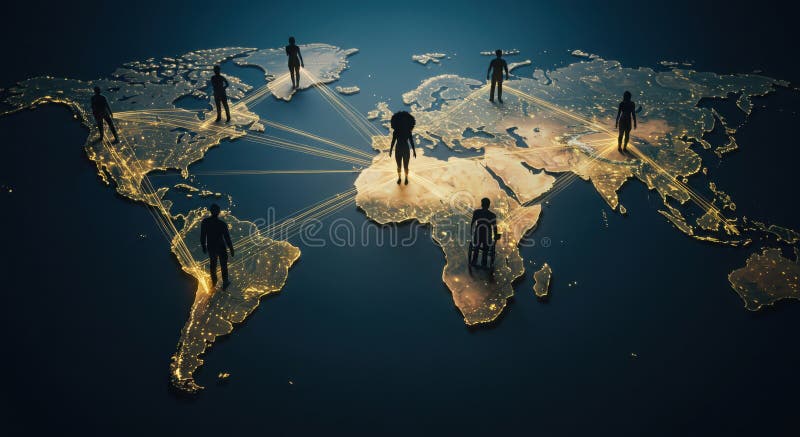
It conjures up images of endless committee meetings, dense treaties nobody reads, and politicians shaking hands through forced smiles. For most of us, IR is just the boring stuff that happens on the news before the weather report.
But if you actually peel back the layers, International Relations isn't a cold, calculated chess game. It’s a deeply human drama. It’s high school, but with nuclear weapons and trade tariffs.
It’s all about the egos.
We tend to think countries act based on cold, hard logic. They don’t. Countries are run by people, and people have egos, insecurities, and pride.
Why do two nations refuse to trade with each other even when it would benefit both economies? Often, it’s not about economics; it’s about "saving face." It’s about a leader not wanting to look weak to their citizens. It’s the exact same reason you might refuse to apologize to a sibling after an argument, even when you know you’re wrong.
When you realize that global stalemates are often just grown adults having a tantrum, IR suddenly becomes a lot easier to understand.
The problem with "Us vs. Them."
The biggest hurdle in international relations is the psychological wall we build between "us" and "them." It’s easy to demonize a country you’ve never visited. It’s easy to believe your way of life is the only correct way.
But diplomacy, at its best, is just the act of humanizing the other side. It’s realizing that a farmer in a country you’ve been taught to fear is worrying about the same things you are: feeding their kids, paying their bills, and surviving the winter.
When diplomats sit down and actually talk—not just recite talking points—they usually find out that the "enemy" is just a group of tired people trying to do their jobs. That’s when real progress happens. That’s dinner table diplomacy.
The ripple effect of a bad day.
Here’s the scary part: Because IR is so human, it’s incredibly fragile.
A bad night's sleep, a misread tone in a translation, or a leader lashing out because of a bad poll number can send shockwaves across the globe. A decision made in a split second by one stressed-out human in a capital city can impact the price of bread in a village thousands of miles away.
We like to think our global systems are stable and institutional. They aren't. They are held together by the thin thread of human patience and communication.
So, why should you care?
Because you are part of it.
You don't need to be a diplomat to engage in international relations. Every time you buy a foreign product, interact with someone from a different culture online, or even just try to understand a global news story without jumping to conclusions, you are participating.
The next time you see a headline about a global crisis, don't just look at the flags. Look at the people. Look at the egos, the fears, and the miscommunications.
When you start seeing IR as a human problem, it becomes less about politics and more about empathy. And frankly, the world could use a lot more of that right now.
More from Writing
Deepfakes: A Double-Edged Sword in International Relations and Global Security:
Deepfakes have evolved from a digital nuisance into a real national security threat capable of fueling political and military crises. But could this same technology also help fight the misinformation it creates?
Read postFrom Cradle to Screens: Raising Tomorrow's Generation
Technology shapes childhood, but balance builds the future.
Read postThe New Oil: How Lithium and Rare Earths are Rewriting Global Power
For a century oil ruled the world, but now power has shifted to who controls lithium and rere Earth's processing.
Read post
Responses
Log in to comment and join the discussion.
Log in