The Assertiveness of Middle Powers
Contemporary middle powers like India, Turkey, and Saudi Arabia are reshaping global diplomacy through strategic multi-alignment. By leveraging their clout, they act as autonomous power brokers in a multipolar world.
Published 2 months ago
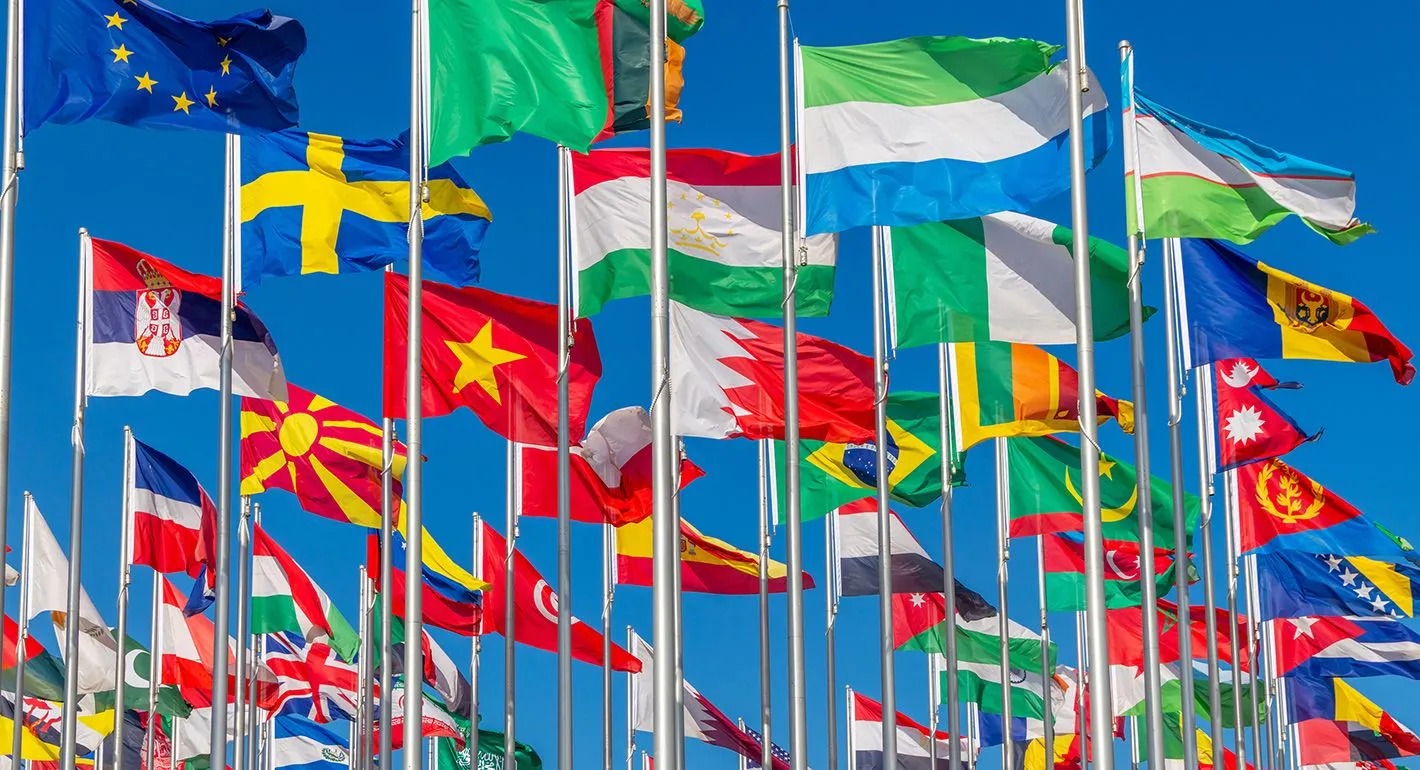
For many years, international relations has been seen in a binary way: the world as one ruled by the dominance of superpowers, in which smaller states were compelled to join either major ideological or military groups. Nowadays, this system has broken down. Since strategic rivalry between the United States and China has grown stronger, a wide range of 'middle powers'—including India, Turkey, Saudi Arabia, Brazil, and Indonesia—are currently playing an active role in altering the global order by asserting a new level of diplomatic and economic independence.
Instead of acting as passive watchers or as inflexible allies, modern middle powers practise issue-by-issue transactionalism. They use their particular geographical position, energy resources, and technological abilities in order to increase their bargaining power. A country may depend on Western security assurances while at the same time expanding its trade links with Beijing and working together on energy matters through non-Western arrangements such as BRICS. This strategy, commonly known as multi-alignment or strategic autonomy, enables middle powers to avoid having to make between-the-two binary decisions. They function as important bridge-builders and as essential power brokers in global matters. This increasing assertiveness is due to a practical situation: the major international institutions are becoming more and more blocked by deadlock.
The middle powers are therefore stepping in to fill the gap, mediating regional peace negotiations, ensuring that the critical supply chains for transition minerals are secured, and setting up alternative financial systems. By serving as flexible pivot states, they make it impossible for any one superpower to attain absolute hegemony. In the end, the assertiveness of the middle powers shows that there has been a fundamental shift towards a complex, multipolar system. Influence is no longer concentrated just in Washington or Beijing; it is now spread among regional capitals which insist on having a direct voice in the way global rules are drawn up.
More from Writing
Deepfakes: A Double-Edged Sword in International Relations and Global Security:
Deepfakes have evolved from a digital nuisance into a real national security threat capable of fueling political and military crises. But could this same technology also help fight the misinformation it creates?
Read postFrom Cradle to Screens: Raising Tomorrow's Generation
Technology shapes childhood, but balance builds the future.
Read postThe New Oil: How Lithium and Rare Earths are Rewriting Global Power
For a century oil ruled the world, but now power has shifted to who controls lithium and rere Earth's processing.
Read post
Responses
Log in to comment and join the discussion.
Log in