state or non state actors?Who really controls the world?
Governments aren't the only ones shaping the world; discover who else holds global power.
Published 1 day ago
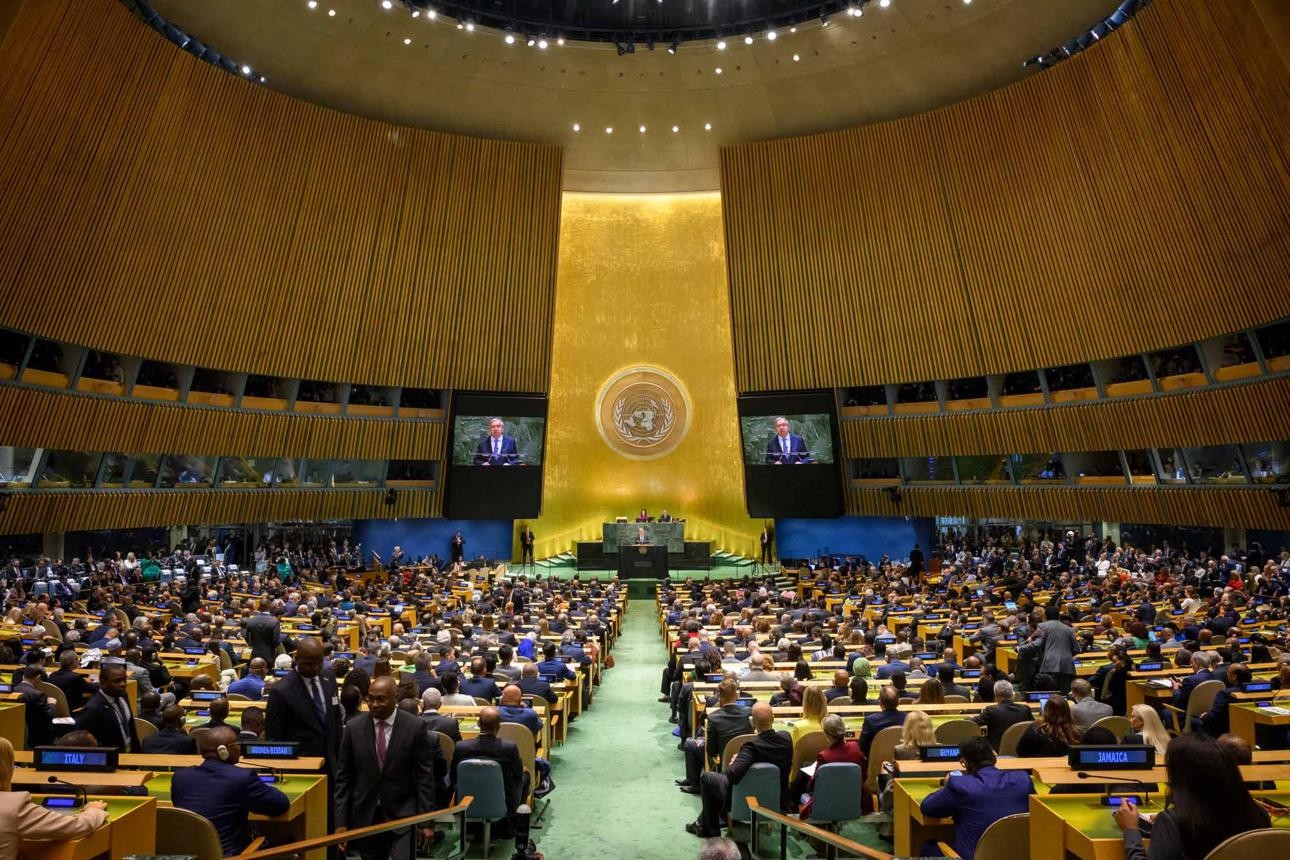
Next time you watch the news, ask yourself one simple question: Is it only governments that shape world events, or can other powerful groups change the world too?
In International Relations, we often hear about states and non-state actors. Both play an important role in shaping international politics, but they have different powers, goals, and ways of influencing the world.
State Actors: The Governments of the World
State actors are countries and their governments. They have control over a particular territory, a population, and the authority to make laws and decisions.
Think of a state as the captain of a country's ship. It makes important decisions about security, foreign policy, trade, and national interests.
For example, the United States, China, and Pakistan are state actors. They make agreements, build military partnerships, participate in international organizations, and sometimes compete with other countries for power.
States have important powers. They can maintain armies, establish diplomatic relations, sign treaties, and represent their countries internationally.
In simple words, state actors are the official players in international politics.
Non-State Actors: The Other Players in the Game
But is the government the only player in world politics? Not anymore!
Non-state actors are individuals, organizations, and groups that influence international affairs without being governments of sovereign states.
Think of them as powerful players outside the government. They may not control a country, but they can still influence what happens around the world.
For example:
- United Nations-related NGOs and other NGOs: Organizations such as Amnesty International work on human rights and raise awareness about global issues.
- Multinational Corporations: Companies like Google and Apple influence international trade, technology, and economies.
- Media Organizations: International news networks influence how people understand global events.
- Terrorist and Armed Groups: Groups such as ISIS can create serious challenges to international peace and security.
- Individuals: Influential activists and leaders can bring attention to global problems and inspire international movements.
These examples show that power does not belong to governments alone.8
State vs Non-State Actors: Who Has More Power?
Imagine international politics as a football match.
State actors are like the official teams with their own players, rules, and resources. Non-state actors are other influential players who can change the direction of the match.
States have sovereignty, territory, governments, and military power. Non-state actors usually do not have these same legal powers, but they can influence public opinion, economies, security, and international decisions.
For example, during a humanitarian crisis, a government may provide official assistance, while international NGOs provide food, medical support, and shelter.
Both actors contribute, but in different ways.
How Do They Work Together?
State and non-state actors do not always compete. Sometimes they work together to solve global problems.
Consider climate change.
Governments create environmental policies and sign international agreements. Meanwhile, environmental organizations raise awareness, scientists provide research, and companies develop cleaner technologies.
The goal is the same: to protect the planet.
However, disagreements can also happen. A multinational company may prioritize profit, while a government may focus on environmental protection. This can create tension between different actors.
So, Who Really Controls the World?
The answer is not as simple as choosing one.
States remain central to international relations because they have sovereignty, legal authority, and control over national institutions. But non-state actors have become increasingly influential in areas such as trade, technology, human rights, security, and the environment.
Neither can be understood completely without looking at the other.
Final Thought
The next time you read international news, do not just ask which country is involved. Ask who else is influencing the situation.
Is it a government, an international organization, a powerful company, the media, or an individual?
Because in today's world, international politics is not just about countries. It is also about the many other actors who shape our world.
More from Writing
Deepfakes: A Double-Edged Sword in International Relations and Global Security:
Deepfakes have evolved from a digital nuisance into a real national security threat capable of fueling political and military crises. But could this same technology also help fight the misinformation it creates?
Read postFrom Cradle to Screens: Raising Tomorrow's Generation
Technology shapes childhood, but balance builds the future.
Read postThe New Oil: How Lithium and Rare Earths are Rewriting Global Power
For a century oil ruled the world, but now power has shifted to who controls lithium and rere Earth's processing.
Read post
Responses
Log in to comment and join the discussion.
Log in