Negotiating with Bombs: Does Coercive Diplomacy Work on Iran?
the future of Middle East depends on the single order of USA.
Published 1 hour ago
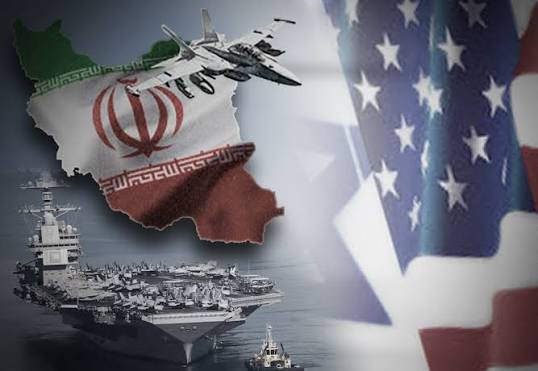
The pattern has become identical for the international actors, starting with strike, conduct talks and negotiation then a truce only two ended up on the square one.
The most discussed Islamabad (2026) memorandum quickly weekend aimed new exchanges between the USA and Iran. Now psychiatry of a state Marco Rubio tells the world that President Trump has not decided yet whether to resume strike or prepare a diplomatic way to resolve this conflict. On the other side Gulf states say, The USA may launch short but heavy strikes around 4 November. From these statements a question that emerges, will force lead to a deal or make things worse?
Coercive diplomacy uses threats aur limited use of force to change the adversary choices not to lead things towards destruction but it work under certain situations a strong demand, a threat, or a win win landscape to say yes, without looking defeated. If anyone absent the strategy usually ends with resistance.
In that particular case the supporters of the approach highlight the fact that at least !talks! are happening. Iran delegation has been meeting with Qatri and Pakistani mediators. Tehran suggested a proposal to reopen the strait of Hormuz. Washington or gives that maintain pressure not to have patience, followed by President Trump statement in which he announced that "his been would be stricter than the 2015 JCPOA". His allies see potential threat as the only language the Tehran accepts and respects.
On the other side the Critiques point out three problems,
* The demand is too big as it has nuclear limits, shipping navigation from Hormuz and more.
* Iran hit back, as the available media reports and multiple analysis found that Iranian strikes hit 26 US bases and resulted billion dollars damage.
* Concession seen as surrender for a leadership that consider conflict as existantial, giving more grounds during fire exchange can be riskier.
when Tehran has already warned that any new wave of strike would be met with 'devastating' retaliating outcome. so, the chances of escalation has multiply when the other side has already shown there retaliation capabilities. Threats against infrastructure of civilians add another angle. the incident like School of primary level girls in minnab rise humanitarian and legal concerned as well and contribute to unify citizens behind their government instead of against it.
when we look at the history records, the result were mixed. in 1995 bombing on Balkan state pushing Serbian leaders to the Dayton talks, similarly 2003 libyas decision to abundant its weapons program cited as success but always with open end debate about how much force had to usdd. on the other side, the Vietnam war and in the 1990's long confortation with Iraq set the example that the pressure might be failed to deliver desired political or strategic outcome as per assessment.
coercion only succeed when the adversary could something to claim, but it brutely failed when they only offer submission or surrender.
the upcoming situation totally rely on these things, the navigation from Hormuz, as per Iran's statement the state could reopen within two days but under a new proposal. Then, the decision of post-mid election according to the reports the strikes are depend on the result which makes 4 November onwards the real test.
at then allies, split reports between Netanyahuo, Trump and Gulf states own exposure to Iranian retaliation could shape how far Washington goes.
lastly, post only bring a relucent party to the table and recent Islamabad memorandum proves it right. but getting someone to talk on negotiate which lead to sign are different achievement and as Long the evidence of off-ramp is thin.
__Bombs can get Iran to the table. only a reliable exist gets a signature on deal.__
More from Writing
Deepfakes: A Double-Edged Sword in International Relations and Global Security:
Deepfakes have evolved from a digital nuisance into a real national security threat capable of fueling political and military crises. But could this same technology also help fight the misinformation it creates?
Read postFrom Cradle to Screens: Raising Tomorrow's Generation
Technology shapes childhood, but balance builds the future.
Read postThe New Oil: How Lithium and Rare Earths are Rewriting Global Power
For a century oil ruled the world, but now power has shifted to who controls lithium and rere Earth's processing.
Read post
Responses
Log in to comment and join the discussion.
Log in