How Enemies Are Made: Gordon Allport's Theory of Prejudice
Gordon Allport's Theory of Prejudice
Published 1 week ago
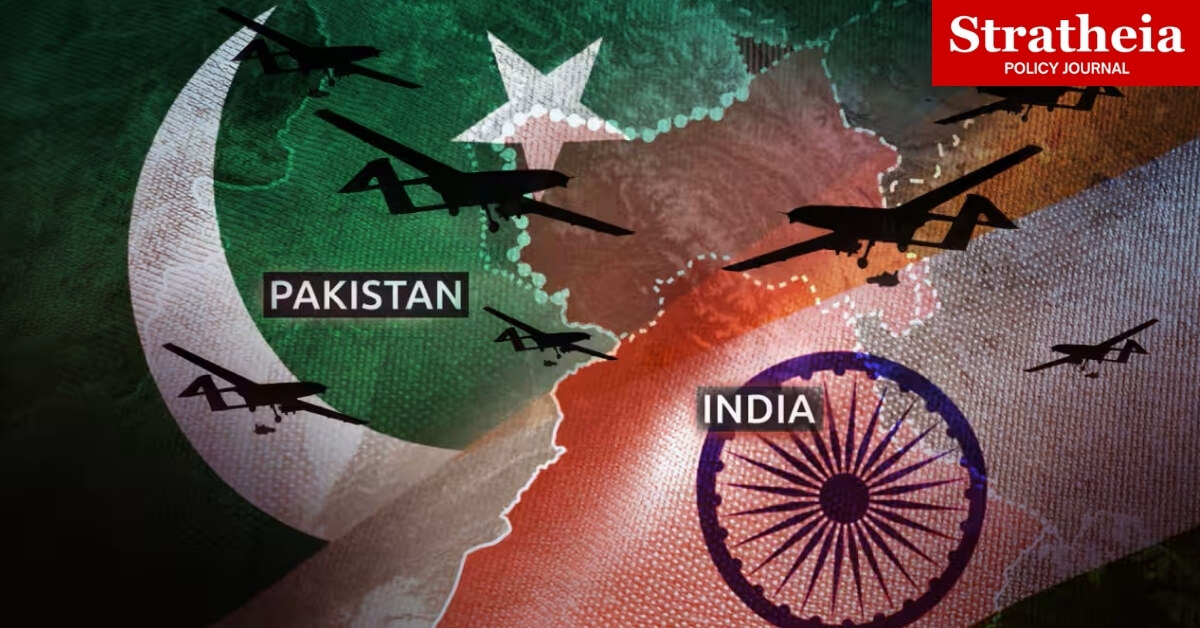
In International relations, wars and conflicts are normally explained through political interests, power, security, and resources. However, Psychology also helps us understand why conflicts arise and why conflicts become difficult to end. The way people think about other states influences how they see their enemy and whether they support peace or conflict.
American psychologist Gordon Allport studied these issues in his famous book “The Nature of Prejudice,” published in 1954. He focused on explaining how people develop negative opinions about others and how these opinions lead to unfair treatment of one party. He explains that prejudice means forming a negative opinion about someone, particularly because they belong to a specific group rather than judging them as an individual. When people repeatedly hear that another nation is dangerous and dishonest, they may consider that state an enemy without understanding the full situation. For example, the government may describe people from its enemy state as a threat, making its citizens less willing to have connections with them.
India and Pakistan have experienced difficult relations since the partition of British India in 1947, with the conflict over Kashmir remaining a major source of tension between them. The wars fought between them, such as in 1965 and 1971, have created mistrust between both sides. Allport’s theory helps us understand how these experiences shape how people view one another. When people repeatedly hear negative stories about neighbouring states, they may begin to believe their people are naturally hostile, while media coverage and political speeches strengthen these beliefs by focusing only on hostility and ignoring examples of cooperation. However, it does not mean that every conflict between them is based on prejudice; they also have genuine disagreements over Kashmir, security, and terrorism.
Allport believed that prejudice can be reduced when people from different groups interact with each other under suitable conditions. Countries can encourage student exchanges, cultural programmes, academic cooperation, diplomatic dialogue, and joint projects, which can help people learn about another society instead of depending only on negative stories.
However, dialogue alone cannot solve every conflict. Countries must also address security concerns, political disagreements, injustice, and responsibility for harmful actions. Peace requires both better understanding and practical political solutions. The important point is that when people begin to see an entire nation as an enemy, they may stop recognizing the differences among its people. This can make hostility stronger and peace more difficult.
More from Writing
Deepfakes: A Double-Edged Sword in International Relations and Global Security:
Deepfakes have evolved from a digital nuisance into a real national security threat capable of fueling political and military crises. But could this same technology also help fight the misinformation it creates?
Read postFrom Cradle to Screens: Raising Tomorrow's Generation
Technology shapes childhood, but balance builds the future.
Read postThe New Oil: How Lithium and Rare Earths are Rewriting Global Power
For a century oil ruled the world, but now power has shifted to who controls lithium and rere Earth's processing.
Read post
Responses
Log in to comment and join the discussion.
Log in