Beyond Conflict: How Diplomacy Creates Pathways to Peace
How countries use dialogue, negotiation and cooperation to resolve international conflicts peacefully.
Published 1 day ago
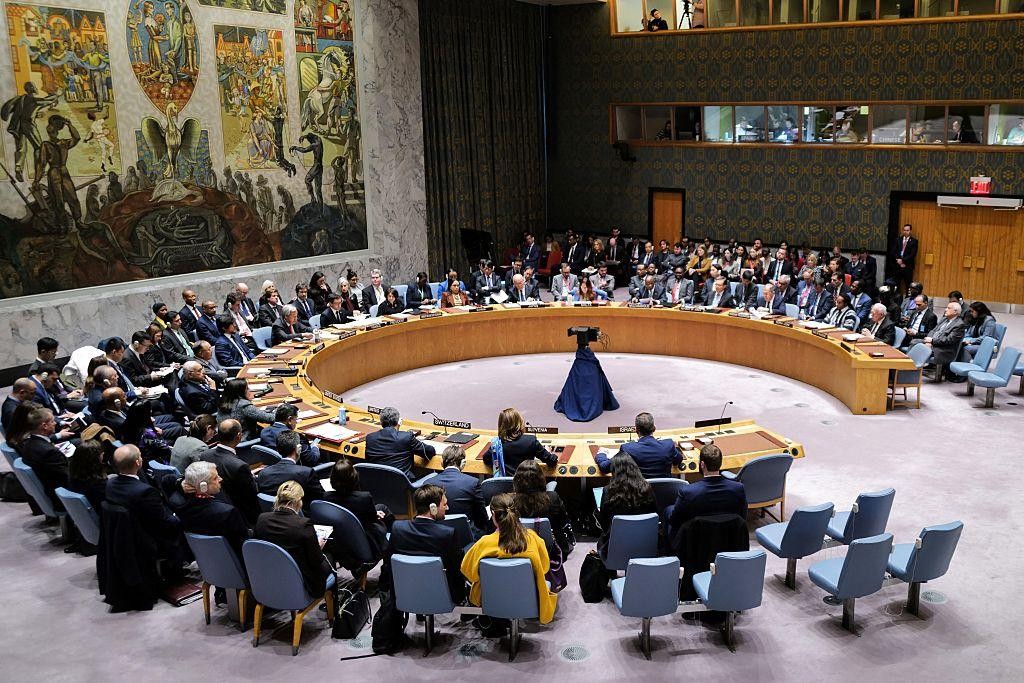
When I check the news every morning before going to university, it often feels like the world is stuck in endless arguments. Every day brings stories of border disputes, political tension, or new conflicts. Seeing all this, it is easy to think that power and weapons are the only ways countries solve problems. Yet, behind the loud headlines, a quieter and much stronger force works every day to stop fights and bring people together: diplomacy.
When I think about, diplomacy is not just about leaders in suits shaking hands in front of cameras. At its core, it is simply the human habit of sitting down, listening carefully, and finding common ground before a small disagreement turns into a big fight.
Think about how we solve problems in our daily lives. When we have a misunderstanding with a close friend or someone at home, shouting never fixes anything. Real solutions only begin when someone stays calm, lowers their voice, and decides to talk honestly. Countries work the exact same way, even if their issues are much bigger.
A lot of meaningful diplomatic work actually happens long before a conflict ever reaches the news. When two nations disagree over land, water, or trade, representatives from both sides meet early to clear up doubts. Through quiet, respectful conversations, they cool down anger before anyone reaches for a weapon. Many major crises in history were avoided simply because two sides chose to talk instead of letting pride win.
Even when a conflict does break out, diplomacy acts as a vital bridge. Once fighting begins, anger and fear often stop countries from speaking directly to each other. At this difficult stage, a neutral country steps in to carry messages back and forth, helping both sides agree to pause the fighting. It takes a lot of patience because trust is already broken,and even a small mistake can ruin everything.
However, true peace is much more than just signing a paper to stop a war. Stopping a fight is only the first step, because ordinary people are still left with hurt feelings and broken trust.
Lasting stability happens when normal people start connecting again through education, trade, sports, and cultural exchange. When students study across borders and communities work together, people begin to see each other as neighbors rather than enemies.
Diplomacy is never quick, and it certainly does not fix everything overnight. "As a student,I believe history shows that every war eventually ends at a talking table. Weapons can only create temporary silence, but only honest conversation and mutual respect can create a real pathway to lasting peace.
More from Writing
Deepfakes: A Double-Edged Sword in International Relations and Global Security:
Deepfakes have evolved from a digital nuisance into a real national security threat capable of fueling political and military crises. But could this same technology also help fight the misinformation it creates?
Read postFrom Cradle to Screens: Raising Tomorrow's Generation
Technology shapes childhood, but balance builds the future.
Read postThe New Oil: How Lithium and Rare Earths are Rewriting Global Power
For a century oil ruled the world, but now power has shifted to who controls lithium and rere Earth's processing.
Read post
Responses
Log in to comment and join the discussion.
Log in